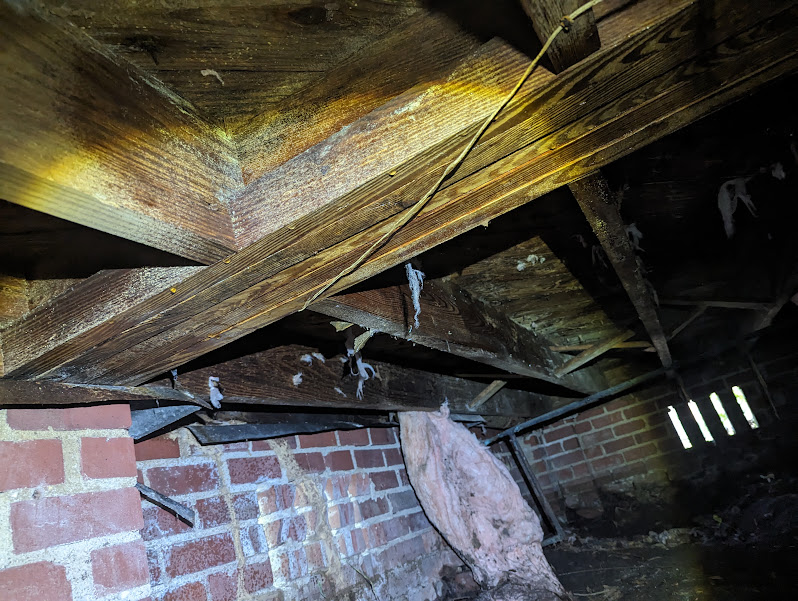
Wood floor joists and brick piers under an older Charleston home

Resources

Crawlspace answers, without the sales pitch

These are the questions Charleston homeowners ask us under the house. Read them before you hire anyone, including us. A good contractor should be able to explain every one of these in plain language.

Start here

Four things worth knowing

Short answers you can use during any crawlspace conversation.

How to read a moisture reading

Wood moisture content under 15 percent is normal for a Lowcountry crawlspace. Between 15 and 19 percent, the wood is damp and worth watching. Above 20 percent, fungal growth becomes likely and the source needs to be found. Ask any contractor for the actual numbers and where they were taken.

Signs your crawlspace is holding water

Standing water after a heavy rain, condensation on ductwork, insulation hanging loose from the subfloor, a musty smell in closets and hallways, and floors that feel soft near exterior walls. Any one of these is worth a look under the house.

Vapor barrier or encapsulation

A vapor barrier stops ground moisture from evaporating into the crawlspace. Encapsulation seals the whole space, including walls and vents, and usually pairs with a dehumidifier. Most Charleston homes with a dirt floor and no standing water only need the barrier.

What a repair scope should include

Line items, materials by name and thickness, square footage, labeled before photos, and a clear price. If a quote is one number with no scope behind it, ask for the detail before you sign.

Still have a question about your crawlspace?

Call and describe what you are seeing. We will tell you whether it needs a visit or whether you can leave it alone.

(843) 408-3877
Call (843) 408-3877Free Inspection